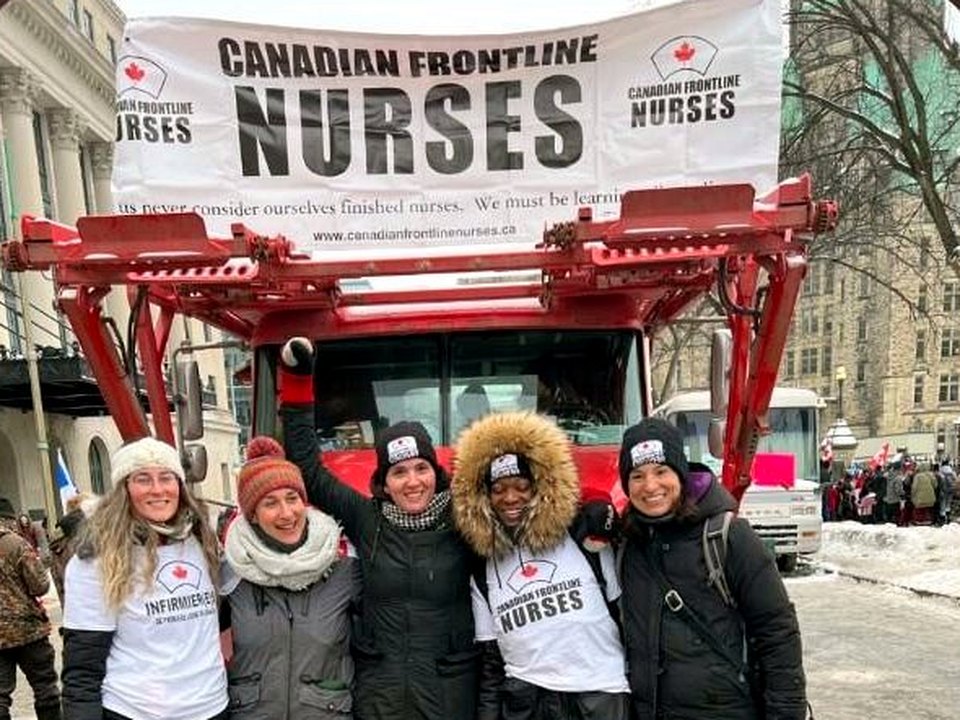
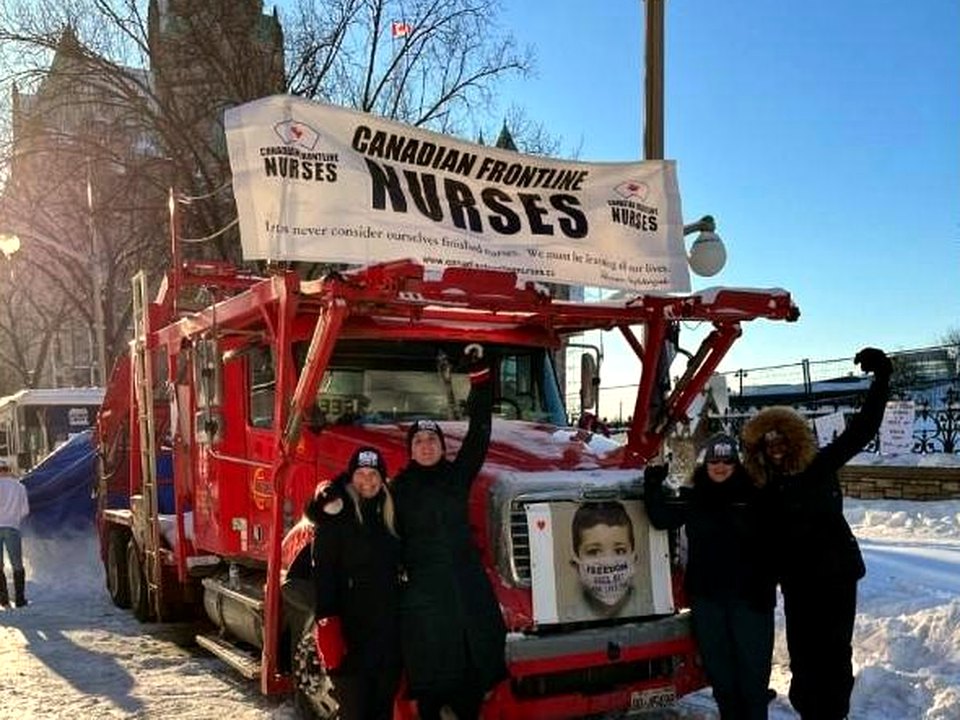
Sarah says she spoke because public officials and public-health institutions often presented one account of COVID-19 as settled while treating contrary questions and perspectives as misinformation. She questioned whether the risks of COVID-19 were being communicated in proportion to other serious public-health problems, and whether fear-based messaging obscured the harms associated with prolonged masking, lockdowns, isolation, and disrupted care.
She was also concerned about the pressure placed on Canadians—especially healthcare workers—to accept the then-new mRNA vaccines as a condition of employment or participation in public life. Sarah's position is that informed consent requires more than promotion of one preferred conclusion: people must be free to consider risks, benefits, alternatives, uncertainty, and evidence as it develops.
For Sarah, speaking out was not a rejection of nursing values. She believes nurses have an ethical responsibility to raise concerns when they see something that may be wrong—even when doing so is unpopular or challenges powerful institutions. The public relies on nurses to advocate, ask difficult questions, and bring their experience to debates about healthcare and public policy.
Many Canadians remain skeptical about how the pandemic was managed and whether dissenting professionals were too readily censored, dismissed, or silenced. Sarah's appeal asks a narrower legal question, but it arises from that larger debate: how far can a nursing regulator go in disciplining a nurse for challenging the official public-health narrative?